
At The Brain and Spine Centre, we specialize in the diagnosis and surgical treatment of neurological and spinal disorders. Dr. Muhammad Aqeel Natt, a leading neurosurgeon in Lahore, provides advanced, safe, and compassionate care for patients.
Cervical Disc Disease
Cervical disc disease is a common cause of neck and arm pain that needs accurate diagnosis and tailored treatment to prevent nerve or spinal cord damage. At The Brain and Spine Centre, Dr. Muhammad Aqeel Natt provides expert care for cervical disc problems at Farooq Hospital, West Wood Branch, Lahore, using advanced imaging, targeted conservative therapies, and, when needed, precise spine surgery.
Our goal is simple: relieve pain and nerve compression, protect spinal cord function, and restore comfortable neck and arm use.
What Is Cervical Disc Disease?
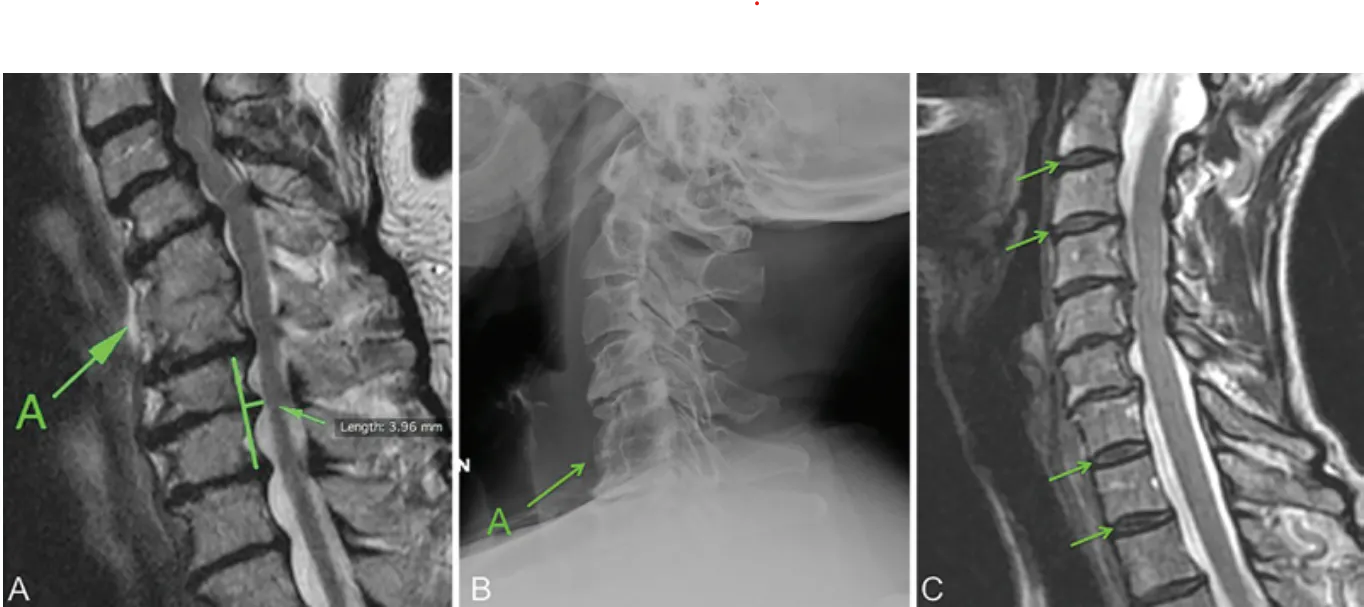
Cervical disc disease refers to degenerative or herniated discs in the neck that lose height, crack, or bulge, narrowing space for nerve roots or the spinal cord. This can cause:
- Cervical radiculopathy – compression or irritation of a nerve root leading to neck and radiating arm pain, numbness, or weakness
- Cervical myelopathy – compression of the spinal cord causing hand clumsiness, gait imbalance, and other long-tract signs
Age-related degeneration, disc dehydration, bone spurs, and spinal stenosis are the most common causes.
Symptoms of Cervical Disc Disease
Symptoms vary with the level and severity of disc involvement.
Common symptoms:
- Neck pain and stiffness, often worse with movement or after prolonged posture
- Pain radiating to shoulder, arm, forearm, or hand (radiculopathy)
- Numbness, tingling, or “pins and needles” in arm, hand, or fingers
- Arm or hand weakness, difficulty gripping or lifting
Myelopathy warning signs:
- Hand clumsiness, difficulty with buttons, writing, or fine tasks
- Gait imbalance, leg stiffness, or frequent tripping
- Non-dermatomal, often bilateral numbness or tingling in arms or legs
- Urinary urgency or other long-tract symptoms in advanced cases
Progressive weakness, gait disturbance, or myelopathic signs require urgent specialist evaluation.
Diagnosis
Diagnosis combines clinical assessment with targeted imaging.
Key steps:
- History and neurological exam to map pain pattern, weakness, reflex changes, and myelopathy signs.
- MRI is the gold standard for cervical disc disease, showing disc degeneration, herniation, spinal cord, nerve roots, and canal diameter in detail.
- X‑ray and CT help assess alignment, bone spurs, and facet/vertebral changes, complementing MRI.
- EMG/nerve conduction studies may help distinguish cervical radiculopathy from peripheral nerve or shoulder pathology.
Treatment Options
Most patients improve with non-surgical treatment; surgery is reserved for specific situations.
Conservative management:
- Activity modification, short rest from aggravating activities, then gradual return with posture correction.
- Medications such as NSAIDs, neuropathic agents, and short courses of muscle relaxants as appropriate.
- Physiotherapy focusing on posture, cervical stabilization, stretching tight muscles, and nerve mobilization.
- Cervical traction and selective epidural steroid injections can provide short-term relief in some patients.
Surgery is considered when:
- There is significant or progressive neurological deficit (weakness, myelopathy).
- Severe arm pain or neck pain persists despite adequate conservative therapy.
Common surgical procedures:
- Anterior cervical discectomy and fusion (ACDF): most common surgery for herniated or degenerative cervical discs; performed from the front of the neck to remove the diseased disc and decompress nerve roots/spinal cord, followed by fusion for stability.
- Cervical disc replacement (arthroplasty): motion-preserving alternative to fusion in selected patients with single-level disease.
- Posterior foraminotomy or laminectomy/laminoplasty: used in selected cases, especially multi-level canal stenosis or posterior pathology.
The Procedure
Our process emphasizes accurate diagnosis and minimally disruptive treatment:
- Detailed consultation and neurological exam to distinguish radiculopathy from myelopathy and other causes of neck/arm pain.
- High-resolution MRI and, when needed, CT and other tests to confirm disc pathology and plan the safest approach.
- Stepwise conservative program with medications and physiotherapy before considering surgery in non-urgent cases.
- If surgery is required, ACDF or disc replacement is performed using microsurgical and image-guided techniques to decompress nerves and stabilize the segment.
Recovery & Aftercare
Recovery depends on symptom duration, severity, and type of treatment.
- Many patients with cervical radiculopathy improve within weeks to a few months on conservative care alone.
- After ACDF, hospital stay is typically 1–2 days, with gradual return to light activities in 2–4 weeks and more vigorous activities in 6–12 weeks, depending on fusion and surgeon guidance.
- Most patients report high satisfaction and durable relief of arm pain after ACDF, though some persistent neck symptoms are possible long term.
- Long-term follow-up includes clinical review and, when needed, imaging to assess fusion and adjacent segment health.
Results You Can Expect
With timely and appropriate care:
- The majority of cervical radiculopathy patients recover good function with conservative management alone.
- ACDF achieves high fusion rates and excellent relief of arm pain, with good long-term outcomes and return to work for most patients.
- Myelopathy surgery can halt progression and often improves hand function and gait, especially when performed before severe, long-standing cord damage develops.
Why Choose The Brain and Spine Centre
Led by Dr. Muhammad Aqeel Natt, specialist in spine and neurosurgery with extensive experience treating cervical disc disease, radiculopathy, and myelopathy. Access to high-quality cervical MRI and CT for precise diagnosis and surgical planning. Stepwise management from conservative therapy to advanced surgical options like ACDF and disc replacement, tailored to each patient’s symptoms and goals. Convenient location at Farooq Hospital, West Wood Branch, Lahore, with imaging, operating theatre, and rehabilitation support under one roof.
Cost of Cervical Disc Disease Treatment
Costs vary depending on whether treatment is conservative or surgical, number of levels involved, implants used, hospital stay duration, and rehabilitation needs. Personalized estimates are provided after consultation and imaging review.
Frequently Asked Questions (FAQs)
Can I know Dr. Muhammad Aqeel Natt’s credentials?
What types of brain tumours do you treat?
Is the surgery safe?
Do I need long-term follow-up after surgery?
Are you having health problems? Contact us today!
Address Business
Contact With Us
Call Us 24/7: 0318 4065914
Working Time
Sunday: 8.30am - 19.30pm
