
At The Brain and Spine Centre, we specialize in the diagnosis and surgical treatment of neurological and spinal disorders. Dr. Muhammad Aqeel Natt, a leading neurosurgeon in Lahore, provides advanced, safe, and compassionate care for patients.
Congenital Anomalies
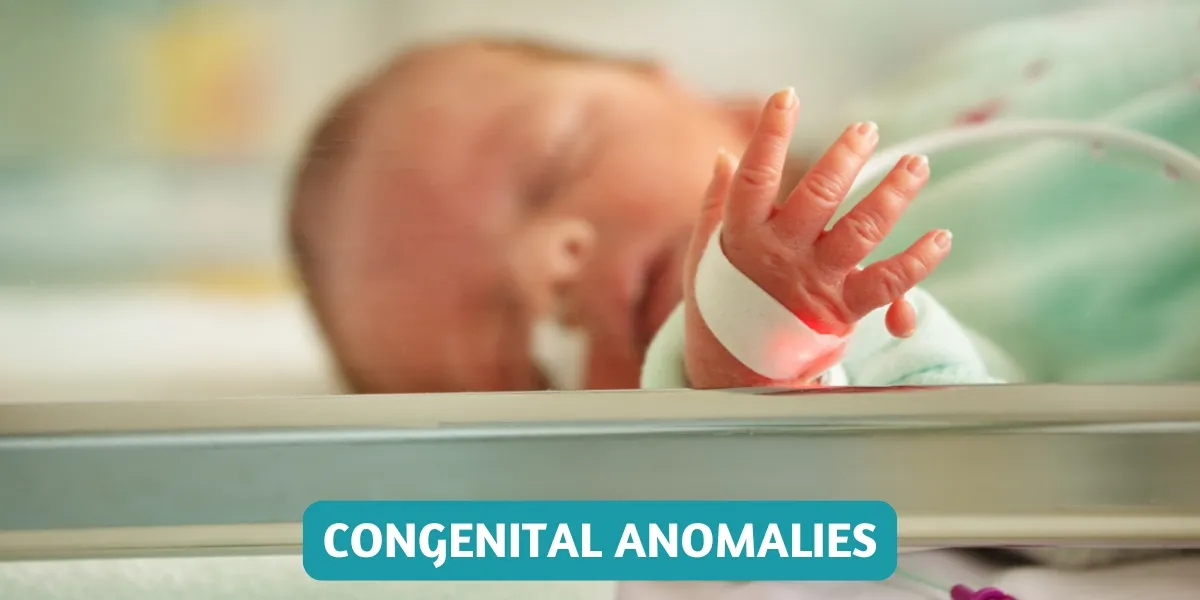
Congenital brain and spinal cord anomalies are structural or functional abnormalities present at birth that require prompt, expert diagnosis and specialized management to prevent neurological deterioration and optimize developmental outcomes. At The Brain and Spine Centre, Dr. Muhammad Aqeel Natt provides comprehensive care for congenital anomalies at Farooq Hospital, West Wood Branch, Lahore, offering advanced imaging, surgical expertise, and long-term neurodevelopmental support.
Our goal is simple: identify congenital anomalies early, prevent progressive neurological damage, and support optimal development and quality of life.
What Are Congenital Anomalies?
Congenital anomalies of the brain and spinal cord are structural malformations that result from abnormal embryonic development and are present at birth. Common neurosurgical congenital anomalies include:
Brain malformations:
- Chiari malformation (CM): part of the cerebellum extends through the foramen magnum (skull opening) into the spinal canal, blocking cerebrospinal fluid (CSF) flow.
- Hydrocephalus: excessive CSF buildup causing increased intracranial pressure and brain enlargement.
- Dandy–Walker malformation: abnormal development of brain structures including the cerebellum and fourth ventricle.
- Agenesis of corpus callosum: incomplete or absent connection between brain hemispheres.
Spinal cord malformations:
- Spina bifida/myelomeningocele: incomplete closure of vertebrae and spinal cord covering, exposing neural tissue.
- Tethered spinal cord: spinal cord abnormally attached, restricting normal movement and causing progressive damage.
- Split cord malformations (diastematomyelia): spinal cord is divided into two sections.
- Dermoid/dermal sinus tracts: abnormal connections between skin and spinal cord.
Symptoms of Congenital Anomalies
Symptoms vary widely depending on anomaly type, severity, and location.
Neonatal/infant presentation:
- Visible skin markings (hairy patches, dimples, birthmarks, or fatty tumors over the lower back) suggesting underlying spinal dysraphism.
- Abnormal head growth (macrocephaly) suggesting hydrocephalus.
- Developmental delay, poor feeding, weak cry, or seizures.
Childhood presentation:
- Weakness, numbness, or paralysis in legs or feet.
- Abnormal gait, clumsiness, or coordination problems.
- Bowel or bladder dysfunction, incontinence, or chronic constipation.
- Back pain or progressive scoliosis.
- Motor or cognitive delays.
- Headache, vomiting, or increased head size.
Diagnosis
Early accurate diagnosis is critical for optimal outcomes and treatment planning.
Prenatal diagnosis:
- Obstetric ultrasound during pregnancy can detect major anomalies.
- Elevated maternal alpha-fetoprotein (AFP) may suggest neural tube defects.
Postnatal imaging:
- MRI (without radiation) is the gold standard for detailed visualization of brain and spinal cord, excellent for assessing Chiari malformations, spinal dysraphism, hydrocephalus, and associated abnormalities.
- Ultrasound is safe for neonates and can rapidly assess ventricular size, Chiari descent, and spinal cord anatomy.
- CT scan provides bone detail and rapid assessment in emergency settings.
- Clinical examination including inspection for cutaneous markers (dimples, hairy patches, skin tags) and neurological assessment.
Treatment Options
Management is individualized based on anomaly type, severity, and progression.
Conservative management:
- Asymptomatic, stable anomalies are monitored with serial imaging and clinical assessment.
Surgical intervention is indicated for:
- Progressive neurological deficits or symptoms.
- Significant hydrocephalus requiring CSF diversion via ventriculoperitoneal (VP) shunt placement.
- Chiari malformation causing cord compression or syrinx formation, treated with foramen magnum decompression.
- Tethered spinal cord with progressive symptoms, requiring detethering (untethering) surgery.
- Spina bifida with open neural tube, requiring urgent closure to prevent infection and preserve spinal function.
Rehabilitation: Comprehensive programs address motor, cognitive, and behavioral needs.
The Procedure
Our multidisciplinary approach ensures comprehensive care:
- Prenatal and neonatal evaluation with obstetric consultation to diagnose anomalies and plan peripartum management.
- Advanced imaging (prenatal ultrasound, postnatal MRI/ultrasound) to characterize anomalies, assess progression, and plan surgery.
- Surgical intervention as indicated, including neurosurgical procedures such as shunt placement, decompression, detethering, or closure of open neural tube defects.
- Inpatient monitoring of hydrocephalus status, neurological function, and CSF flow.
- Early intervention and rehabilitation addressing motor, cognitive, speech, and developmental needs.
Recovery & Aftercare
Recovery depends on anomaly severity and treatment provided:
- Hospital stay: highly variable, from 1–2 days for diagnostic procedures to weeks for complex anomalies requiring multiple surgeries.
- Neurological improvement: may be immediate post-operatively or gradual over weeks to months.
- Long-term monitoring: regular clinical and imaging follow-up to detect recurrent tethering, shunt malfunction, progressive Chiari descent, or emergence of new neurological deficits.
- Developmental follow-up: multidisciplinary team including neurosurgeon, pediatrician, physiotherapist, occupational therapist, speech therapist, and neuropsychologist to address growth, motor, cognitive, and behavioral development.
- Family support and education: counseling about long-term prognosis, adaptive strategies, and community resources.
Results You Can Expect
With early diagnosis and timely intervention:
- Many congenital anomalies can be managed or stabilized, preventing progressive neurological decline.
- Surgical decompression in Chiari malformation: can relieve symptoms and halt progression in the majority of patients.
- Detethering surgery for tethered cord: can prevent further neurological deterioration and, in some cases, lead to improvement in existing deficits.
- VP shunt placement for hydrocephalus: relieves pressure and restores normal CSF circulation.
- With comprehensive developmental support, many children with surgically corrected congenital anomalies achieve substantial functional independence.
Why Choose The Brain and Spine Centre
Led by Dr. Muhammad Aqeel Natt, specialist neurosurgeon with extensive expertise in pediatric neurosurgery, congenital anomaly management, and complex cases. Access to advanced prenatal and postnatal imaging including high-field MRI, ultrasound, and imaging-guided procedures. Experience with the full spectrum of congenital anomalies requiring neurosurgical intervention including Chiari decompression, VP shunt placement, spinal detethering, and neural tube closure. Multidisciplinary pediatric team coordinating neurosurgery, pediatrics, rehabilitation, and developmental services. Convenient location at Farooq Hospital, West Wood Branch, Lahore with pediatric-focused facilities and long-term follow-up support.
Cost of Congenital Anomaly Treatment
Costs vary with anomaly complexity, imaging requirements, number and type of surgical procedures, hospitalization duration, and long-term rehabilitation needs. Personalized cost estimates provided after consultation and imaging review.
Frequently Asked Questions (FAQs)
Can I know Dr. Muhammad Aqeel Natt’s credentials?
What types of brain tumours do you treat?
Is the surgery safe?
Do I need long-term follow-up after surgery?
Are you having health problems? Contact us today!
Address Business
Contact With Us
Call Us 24/7: 0318 4065914
Working Time
Sunday: 8.30am - 19.30pm
