
At The Brain and Spine Centre, we specialize in the diagnosis and surgical treatment of neurological and spinal disorders. Dr. Muhammad Aqeel Natt, a leading neurosurgeon in Lahore, provides advanced, safe, and compassionate care for patients.
Lumbar Decompression Surgery
Lumbar decompression surgery relieves pressure on compressed nerves in the lower spine by removing bone, ligament, or disc material causing stenosis or herniation. At The Brain and Spine Centre, Dr. Muhammad Aqeel Natt performs lumbar decompression at Farooq Hospital, West Wood Branch, Lahore, using minimally invasive techniques to minimize tissue trauma and accelerate recovery.
Our goal is simple: decompress neural elements, alleviate leg pain and weakness, and restore walking ability with minimal morbidity.
What Is Lumbar Decompression Surgery?
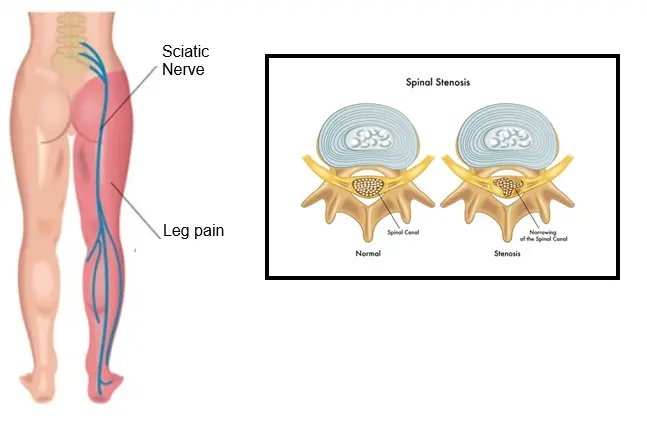
Lumbar decompression enlarges the spinal canal or foramina to relieve nerve root or cauda equina compression, most commonly via laminectomy, discectomy, or foraminotomy. It addresses degenerative stenosis (ligamentum flavum hypertrophy, facet overgrowth, disc bulging), herniated discs, spondylolisthesis, trauma, or tumours when conservative care fails.
Symptoms and Indications
Surgery is indicated after 6-12 weeks failed conservative therapy or with progressive neurology.
Common indications:
Neurogenic claudication: leg pain/cramping/numbness with walking, relieved by flexion.
Refractory radiculopathy, foot drop, or cauda equina syndrome (emergency).
Spinal stenosis confirmed on MRI with correlating symptoms.
Diagnosis
MRI: canal narrowing (<10 mm AP diameter severe), nerve impingement.
X-ray/CT: instability, alignment, bone quality.
Clinical: positive straight-leg raise, extension worsens symptoms.
The Procedure
Under general anaesthesia via midline or minimally invasive approach.
Key steps:
Small incision over affected levels; muscle retraction (tubular in MIS).
Laminectomy: remove lamina/facet to access canal; trim ligamentum flavum.
Discectomy: remove herniated fragment if present.
Foraminotomy: undercut facets to decompress exiting roots.
Fusion if instability: pedicle screws, interbody cage.
Closure; drain if needed.
Minimally invasive lumbar decompression (MILD) targets ligamentum flavum hypertrophy via percutaneous access.
Recovery & Aftercare
Hospital: 1-3 days; ambulate postoperative day 0-1.
PT: flexion exercises, gait training starting day 1.
Brace if fused (4-6 weeks); full activity 6-12 weeks.
Follow-up MRI/X-ray at 6 weeks, 6 months.
Results You Can Expect
70-90% leg pain relief; walking distance improves 3-5x.
80% patient satisfaction at 1 year; durable if instability addressed.
Risks: infection (1-2%), dural tear (5%), reoperation (10-15%).
Why Choose The Brain and Spine Centre
Cost of Lumbar Decompression Surgery
Varies by open vs MIS, levels, fusion; estimates post-MRI.
Frequently Asked Questions (FAQs)
Can I know Dr. Muhammad Aqeel Natt’s credentials?
What types of brain tumours do you treat?
Is the surgery safe?
Do I need long-term follow-up after surgery?
Are you having health problems? Contact us today!
Address Business
Contact With Us
Call Us 24/7: 0318 4065914
Working Time
Sunday: 8.30am - 19.30pm
