
At The Brain and Spine Centre, we specialize in the diagnosis and surgical treatment of neurological and spinal disorders. Dr. Muhammad Aqeel Natt, a leading neurosurgeon in Lahore, provides advanced, safe, and compassionate care for patients.

Lumbar Microdiscectomy
Lumbar microdiscectomy is a minimally invasive spine surgery designed to relieve leg pain (sciatica) caused by a lumbar disc herniation compressing a nerve root. At The Brain and Spine Centre, Dr. Muhammad Aqeel Natt performs lumbar microdiscectomy at Farooq Hospital, West Wood Branch, Lahore, using modern microsurgical techniques for precise decompression with minimal tissue disruption.
Our goal is simple: remove the offending disc fragment safely, relieve leg pain, and help you regain mobility and quality of life.
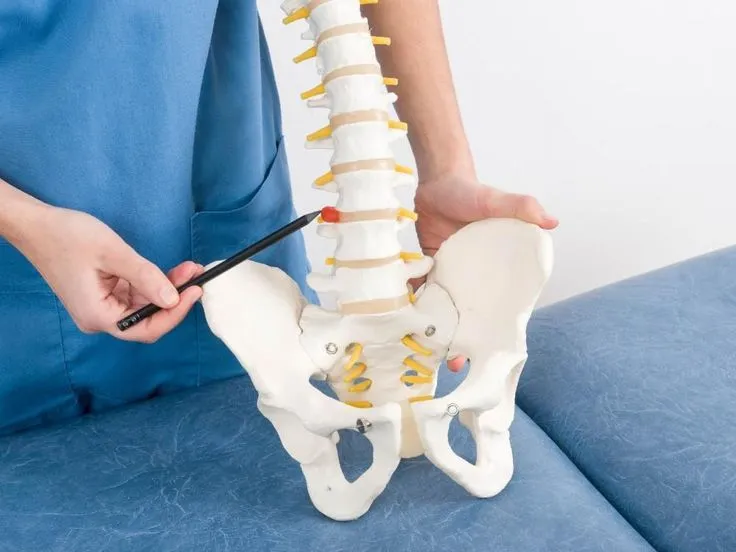
What Is a Lumbar Microdiscectomy?
Lumbar microdiscectomy is the gold-standard surgical procedure to remove a portion of a herniated lumbar disc pressing on a spinal nerve root. Using a small incision and operating microscope or loupes, the surgeon removes only the disc fragment causing nerve compression, preserving most of the disc and surrounding structures. Compared with traditional open discectomy, microdiscectomy uses a smaller incision, causes less muscle trauma, less blood loss, and usually allows shorter hospital stay and faster recovery.
Symptoms and Indications
Lumbar microdiscectomy is typically recommended for:
- Severe sciatica with burning or shooting pain radiating from the lower back into the buttock, thigh, calf, or foot due to a confirmed disc herniation.
- Numbness, tingling, or weakness in the leg or foot corresponding to a compressed nerve root.
- Symptoms that persist despite an adequate course of conservative treatment (medications, physiotherapy, injections) over several weeks to months.
- Progressive neurological deficits such as worsening weakness or new foot drop.
- Emergency indications such as bowel or bladder dysfunction or saddle anesthesia suggesting cauda equina syndrome.
Diagnosis
Before surgery, accurate diagnosis and localization of the symptomatic disc level are essential.
- Clinical exam focuses on pain pattern, neurologic deficits, straight leg raise test, and gait.
- MRI of the lumbar spine confirms disc herniation, nerve root compression, and correlates with symptoms.
- CT or myelography may be used if MRI is contraindicated.
Treatment: The Microdiscectomy Procedure
Lumbar microdiscectomy is usually done under general anesthesia. Key steps include:
- A small midline incision (about 2–3 cm) is made over the affected spinal level.
- Muscles are gently separated rather than cut, exposing a small window of bone (laminotomy) if needed.
- Under magnification, the nerve root is identified and gently retracted, and the herniated disc fragment is removed from beneath or beside the nerve.
- Only the offending disc material is removed; the remainder of the disc is left in place to maintain spinal stability.
- The wound is closed in layers; many procedures are now done as day surgery or with a short (one-night) hospital stay.
Recovery & Aftercare
Recovery after lumbar microdiscectomy is generally rapid:
- Most patients walk on the same or next day after surgery and are discharged home within 24–48 hours, depending on overall health and pain control.
- Leg pain usually improves dramatically within days; numbness and weakness may take weeks to months to fully recover, depending on pre-operative nerve damage duration.
- Light activities and desk work often resume within 1–3 weeks; heavier physical work and sports are usually delayed for 6–12 weeks according to surgeon guidance.
- A structured rehabilitation program focusing on walking, core strengthening, posture, and safe lifting reduces recurrence risk and supports long-term spine health.
- Patients are advised to avoid heavy lifting, bending, or twisting in the early postoperative period and to follow permanent spine-friendly habits to protect the disc and surrounding segments.
Results You Can Expect
Lumbar microdiscectomy has excellent success rates when performed for well-selected patients:
- Numerous studies report 70–90% of patients achieve significant reduction in leg pain and high satisfaction after microdiscectomy.
- One large review found approximately 79% good/excellent long-term results across different discectomy techniques, including microdiscectomy.
- Pakistani and regional series report “good outcome” in over 90% of patients undergoing microscopic discectomy for single-level lumbar disc herniation.
- A major trial (SPORT) showed that surgery offers greater improvement in pain and function compared with nonoperative care for symptomatic lumbar disc herniation, although both groups improved over time.
- Recurrence or “failed back surgery” occurs in a minority of cases (around 8–15%), sometimes requiring repeat surgery. Careful patient selection, precise technique, and postoperative spine care reduce this risk.
Risks and Complications
Complications are uncommon but can occur, as with any surgery. Potential risks include:
- Infection or wound healing problems.
- Dural tear with cerebrospinal fluid (CSF) leak.
- Nerve root injury, persistent numbness, or new weakness.
- Recurrent disc herniation at the same level or adjacent segment disease later on.
- General surgery risks such as bleeding, DVT, or anesthetic complications.
Overall, complication rates are relatively low, and microdiscectomy tends to have fewer wound and infection issues than traditional open discectomy.
Why Choose The Brain and Spine Centre
Led by Dr. Muhammad Aqeel Natt, specialist spine and neurosurgeon with extensive experience in lumbar microdiscectomy and managing complex lumbar disc disease. Use of operating microscope/magnification and modern instruments to ensure precise nerve decompression with minimal tissue disruption. Evidence-based indication criteria to maximize success and minimize unnecessary surgery. Integrated rehabilitation support to protect long-term spine health and reduce recurrence risk.
Cost of Lumbar Microdiscectomy
Costs vary depending on hospital stay length, level(s) operated, implants if needed, anesthesia, imaging, and rehabilitation requirements. A personalized cost estimate is provided after consultation and MRI review.
Frequently Asked Questions (FAQs)
Can I know Dr. Muhammad Aqeel Natt’s credentials?
What types of brain tumours do you treat?
Is the surgery safe?
Do I need long-term follow-up after surgery?
Are you having health problems? Contact us today!
Address Business
Contact With Us
Call Us 24/7: 0318 4065914
Working Time
Sunday: 8.30am - 19.30pm
