
At The Brain and Spine Centre, we specialize in the diagnosis and surgical treatment of neurological and spinal disorders. Dr. Muhammad Aqeel Natt, a leading neurosurgeon in Lahore, provides advanced, safe, and compassionate care for patients.
Spinal Injury
Spinal injury requires rapid, expert assessment and treatment to prevent further spinal cord damage and preserve movement and sensation. At The Brain and Spine Centre, Dr. Muhammad Aqeel Natt provides comprehensive spinal trauma care at Farooq Hospital, West Wood Branch, Lahore, from emergency stabilization to surgery and rehabilitation.
Our goal is simple: protect the spinal cord, stabilize the spine, and support recovery for the best possible quality of life.
What Is a Spinal Injury?
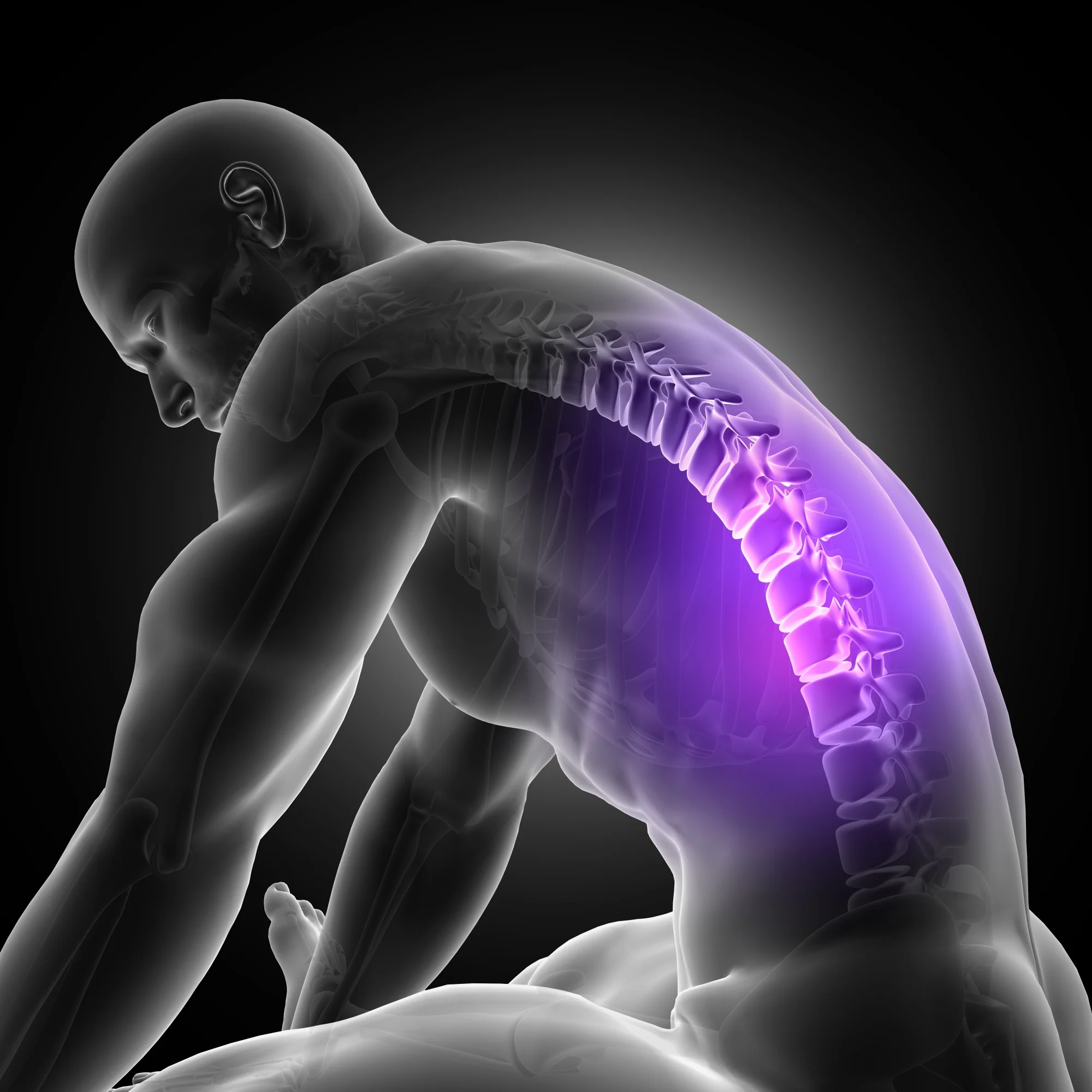
A spinal injury occurs when trauma or disease damages the vertebrae, ligaments, discs, or spinal cord itself. When the spinal cord is involved, messages between the brain and body are disrupted, causing weakness, paralysis, or loss of sensation below the level of injury. Spinal cord injuries may be complete (no function below the injury) or incomplete (some preserved movement or sensation).
Symptoms of Spinal Injury
Symptoms depend on the level and severity of injury.
Common symptoms include:
- Extreme pain in the head, neck, or back, especially after trauma
- Weakness, loss of movement, or inability to walk
- Numbness, tingling, or loss of sensation, including reduced ability to feel heat, cold, or touch
- Loss of bowel or bladder control
- Difficulty breathing, coughing, or clearing secretions
- Problems with balance and coordination
- Changes in sexual function and fertility
Any suspected spinal injury after a fall, road traffic accident, sports injury, or violence requires immediate immobilization and emergency evaluation.
Diagnosis
Early diagnosis aims to protect the spinal cord and define the exact injury.
Key steps include:
- Emergency assessment with spine immobilization, neurological exam, and evaluation of strength, sensation, and reflexes.
- CT scan to quickly detect vertebral fractures and alignment problems, particularly after trauma.
- MRI, the gold standard for spinal cord injury, to assess cord compression, edema, hemorrhage, disc herniation, and ligament injury. MRI findings help guide surgical decisions and predict recovery.
Treatment Options
Management depends on whether the injury is stable or unstable, and whether the spinal cord is compressed.
- Immediate spinal immobilization with collar and spine board to prevent further damage.
- Medical management to stabilize blood pressure, oxygenation, and prevent complications such as pressure sores and infections.
- High-quality pain control, thrombosis prevention, and bladder/bowel care.
Surgical options:
- Decompression to relieve pressure on the spinal cord from bone fragments, disc material, or hematoma.
- Stabilization and fusion with screws, rods, and bone grafts to realign and secure the spine.
- Early decompressive surgery (often within 24 hours) significantly improves neurological recovery, especially in cervical spinal cord injury.
The Procedure
Our process prioritizes safety, spinal protection, and timely intervention:
- Emergency evaluation and immobilization at presentation.
- CT and MRI imaging to define fracture pattern, spinal cord status, and instability.
- Surgical planning for decompression and stabilization when indicated, tailored to injury level and patient condition.
- Postoperative ICU or high-dependency monitoring with early initiation of physiotherapy and respiratory care.
Recovery & Aftercare
Recovery after spinal injury is highly individualized but can improve significantly with structured rehabilitation.
- Intensive rehabilitation including physiotherapy, occupational therapy, and when needed, speech/swallow therapy helps restore mobility, self-care, and independence.
- Hospital-based rehabilitation yields significant neurological and functional improvement compared with home-based or no formal rehabilitation.
- Many patients achieve functional independence at discharge; one large series showed about 70% reached functional independence by the end of inpatient rehab.
- Long-term follow-up focuses on spasticity management, pain control, skin care, bladder/bowel management, and psychological support.
Results You Can Expect
With timely surgery and comprehensive rehabilitation:
- A significant proportion of patients improve by at least one AIS grade (neurological classification), with some recovering to normal function (AIS E).
- Early decompression and organized rehab are associated with better walking recovery and greater neurological gains.
- At specialized centers, most patients can regain meaningful independence in daily activities despite persistent deficits.
Why Choose The Brain and Spine Centre
Led by Dr. Muhammad Aqeel Natt, specialist in spine and neurosurgery with extensive experience in traumatic and non-traumatic spinal cord injuries. Access to advanced MRI and CT for rapid, detailed evaluation of spinal fractures and cord damage. Expertise in early decompression and stabilization surgery combined with coordinated inpatient and outpatient rehabilitation pathways. Convenient location at Farooq Hospital, West Wood Branch, Lahore with emergency, ICU, and rehab support.
Cost of Spinal Injury Treatment
Costs vary with injury severity, need for surgery, ICU stay, imaging, and duration/intensity of rehabilitation. Personalized estimates are provided after full clinical assessment and imaging review.
Frequently Asked Questions (FAQs)
Can I know Dr. Muhammad Aqeel Natt’s credentials?
What types of brain tumours do you treat?
Is the surgery safe?
Do I need long-term follow-up after surgery?
Are you having health problems? Contact us today!
Address Business
Contact With Us
Call Us 24/7: 0318 4065914
Working Time
Sunday: 8.30am - 19.30pm
